DOH, medical groups in Central Visayas vow for Milk Code enforcement
CEBU CITY— Health officials and doctors in Central Visayas are doubling down on the enforcement of the Philippine Milk Code to shield breastfeeding mothers and infants from commercial influence and ensure better survival rates in the region's most vulnerable years.
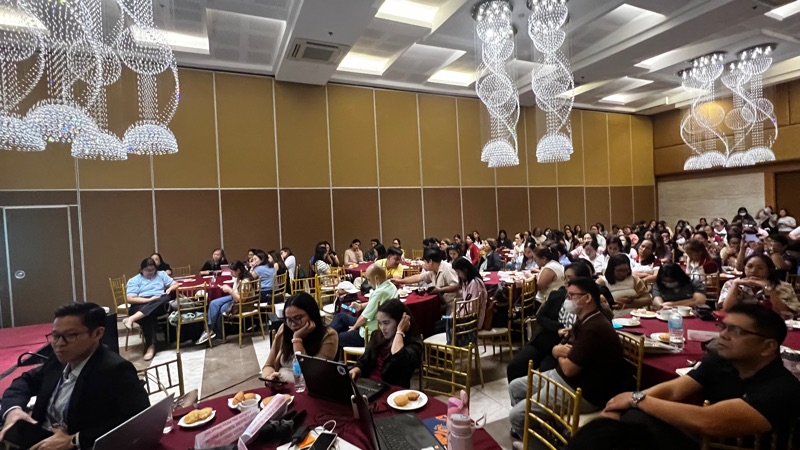
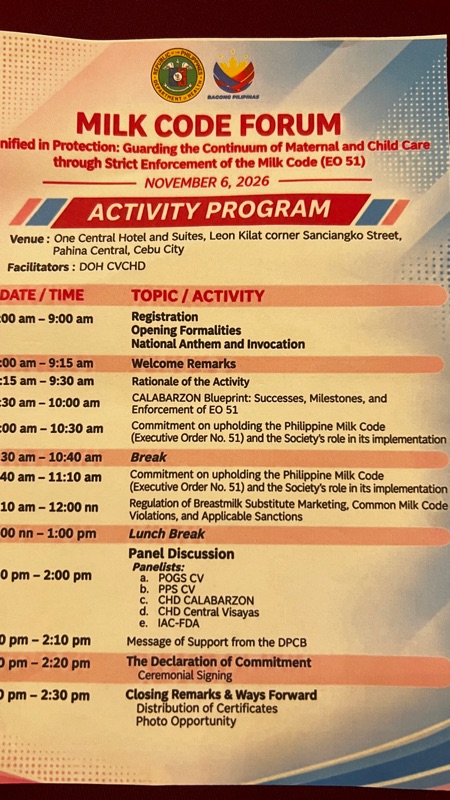
In the EO 51 Milk Code Forum on November 6 in Cebu City, the Department of Health Central Visayas Center for Health Development (DOH-CVCHD), with the Philippine Obstetrical and Gynecological Society (POGS) Central Visayas and the Philippine Pediatric Society (PPS)-Central Visayas, reaffirmed their commitment to "unified protection" of maternal and child health through stricter implementation of Executive Order No. 51 of 1986.
With the theme "Unified in Protection: Guarding the Continuum of Maternal and Child Care through Strict Enforcement of the Milk Code," the forum positioned breastfeeding not as a lifestyle choice, but as a "vital medical intervention, a fundamental right of the child, and the global gold standard for infant nutrition."
Forum highlights breastfeeding as 'vital medical intervention' in First 1,000 Days, especially during disasters.
Why the Milk Code matters now. Health experts stressed that strict compliance with the Milk Code is crucial to prevent inappropriate marketing of breast milk substitutes inside hospitals and clinics. This includes promotional materials, sponsorships, and industry partnerships that can compromise objective counseling and a mother's informed decision-making.
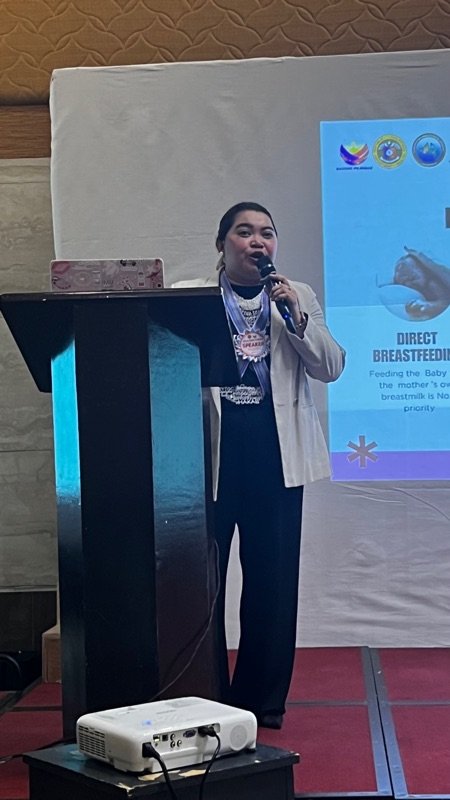
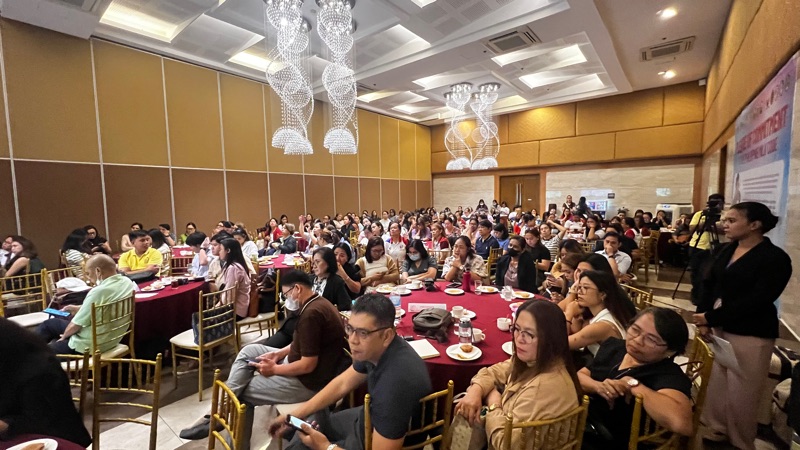
"Breastfeeding significantly reduces neonatal morbidity and mortality. Protecting it means protecting the First 1,000 Days of life, from pregnancy to a child's second birthday, through continuous, evidence-based support in prenatal, intrapartum, and postnatal care,” Dr. Myra Zamora, POGS Central Bisaya Chapter-Representative.
The forum also tackled a critical but often overlooked issue: disaster response. In a region prone to typhoons and earthquakes, speakers warned of the risks of indiscriminate formula distribution in evacuation centers.
The call is to create breastfeeding-safe environments in evacuation centers and strengthen accountability through the Mother-Baby Friendly Hospital Initiative (MBFHI), ethical professional practice, and active monitoring — including violations happening on digital platforms.
The push is backed by a wide coalition. Stakeholders present included, DOH Central Visayas CHD - Nutrition and Breastfeeding Program; DOH Center for Health Development CALABARZON; DOH Center for Disease Prevention and Control Bureau; National Nutrition Council VII; Food and Drug Administration VII; POGS Central Visayas and PPS Central Visayas;
Integrated Midwife Association of the Philippines (IMAP); Nutrition Coordinators from PHOs, HUCs, Human Milk Banks, and DOH-Retained Hospitals; Media Information Network for Nutrition and Development (MIND 7); Glory Reborn Organization and other government health facilities.
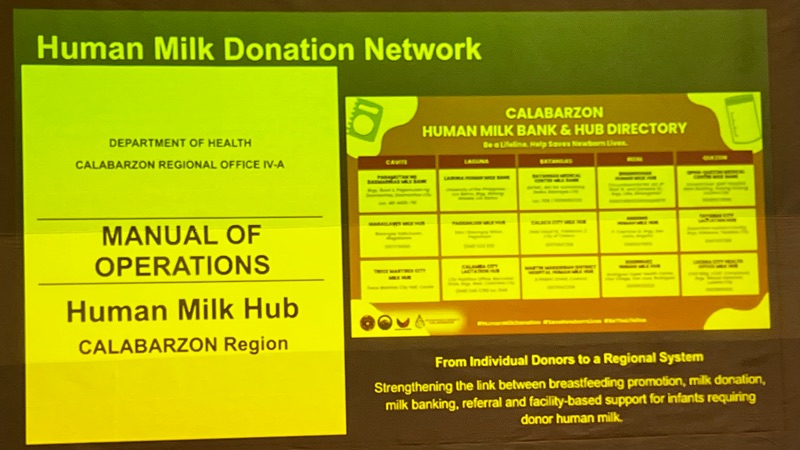
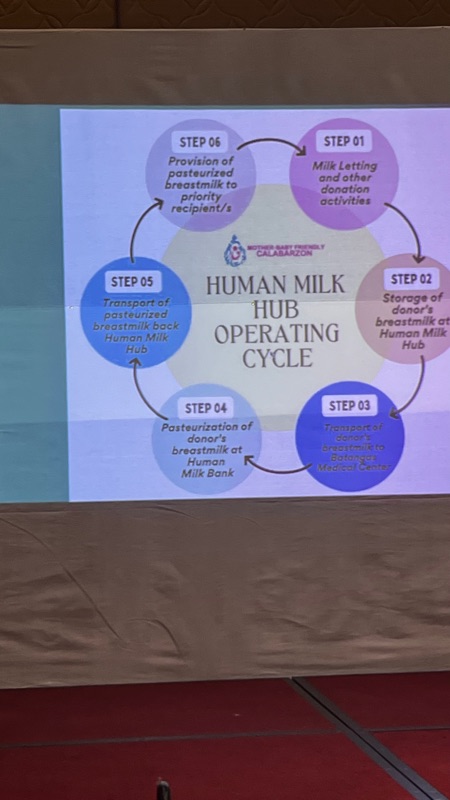
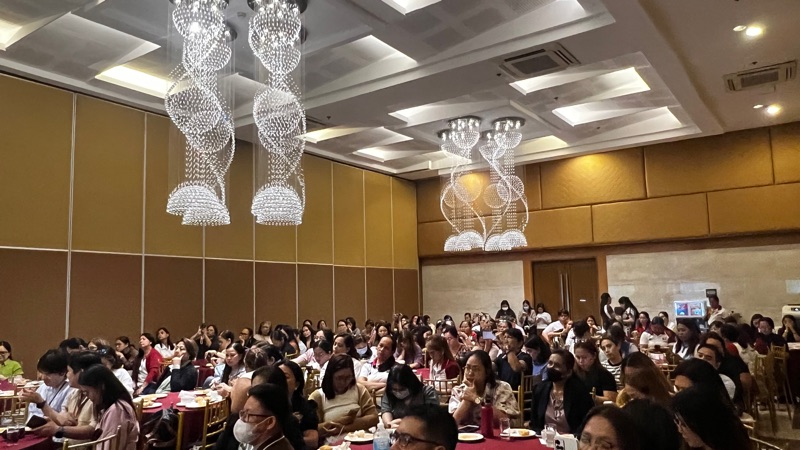
The participation of doctors, midwives, nutritionists, regulators, and media aims to create a full circle of protection, from hospital counseling to public information.
The goal is to create a Breastfeeding-Safe Philippines.
Organizers said the forum is part of the national effort to pursue the Philippine National Breastfeeding Program. By unifying health providers under one standard, they hope to reduce confusion among new mothers and cut down on violations of the Milk Code.
"Our commitment is clear," DOH-Central Visayas said. "We will guard the continuum of care. That means no commercial pressure in hospitals, no misleading ads online, and no formula dumping during emergencies."
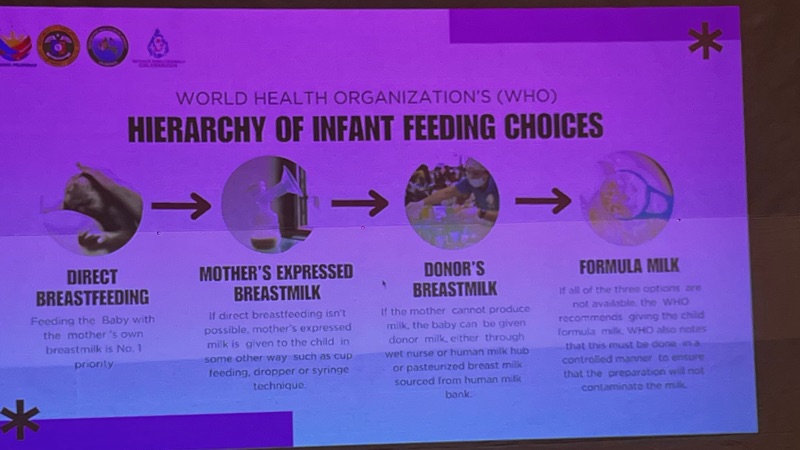
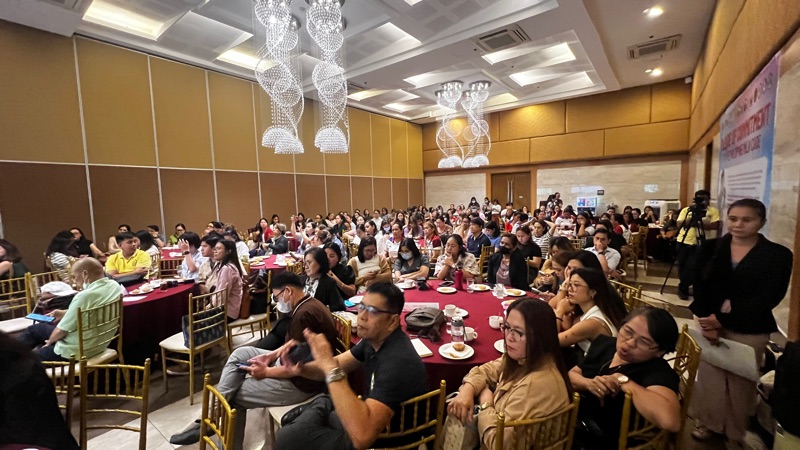
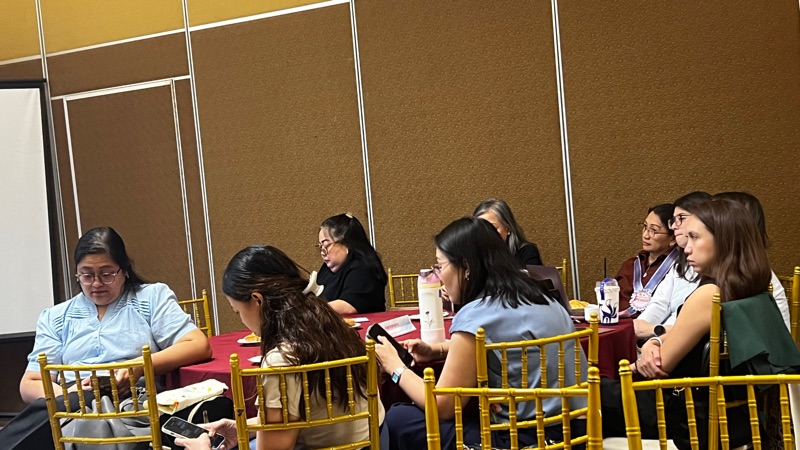
With infant nutrition directly linked to long-term health, education, and productivity, health leaders said enforcing EO 51 is one of the most cost-effective public health investments the country can make. (Photos: MBCNewman)


