Mental health cases on the rise in PH, Cebu see better reporting but growing need
CEBU CITY, Philippines — Mental health cases across the Philippines are climbing, and Central Visayas is seeing both the challenge and the progress up close, with experts link surge to post-COVID stress, social media, and improved community screening.

According to mental health practitioners and project data shared during an AmeriCares press briefing, October 9 in Cebu City, the Philippines still lacks a nationwide mental health reporting system as robust as those for TB or maternal health.
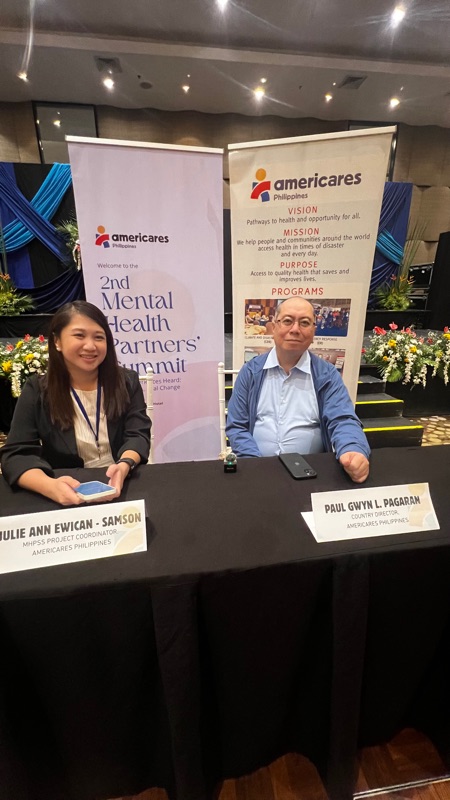
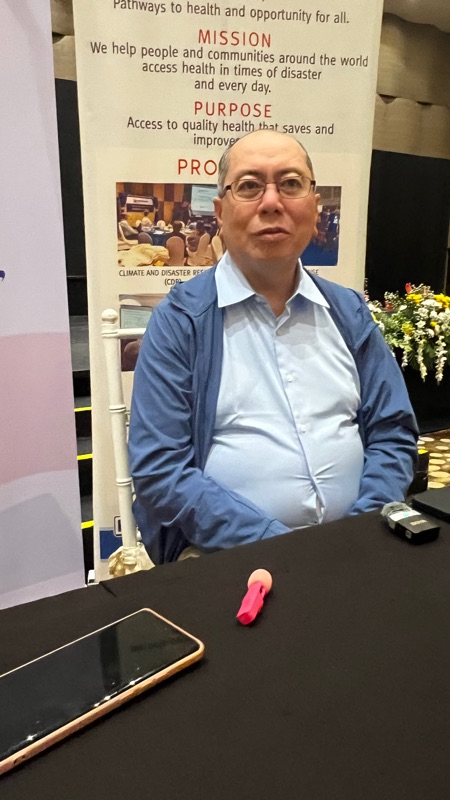
Americares Country Director, Paul Gwyn Pagaran said that health workers say the increase is not just about more people getting sick — it’s also about more people finally being seen.
Because of that, current statistics are largely "project-based" — coming from areas where health workers have been trained to screen and diagnose. That explains why regions like Cebu and Bohol are reporting higher numbers, Pagaran shared.
“High case numbers in Cebu and Bohol may be due to better reporting capabilities and training at the health center level rather than actual higher prevalence,” Pagaran noted.
In other words: where there’s training, there are more cases recorded. Where there isn’t, cases go undetected.
Julie Anne Samson, MHPSS Project Coordinator, Americares Philippines said that experts outlined three major factors behind the upward trend.
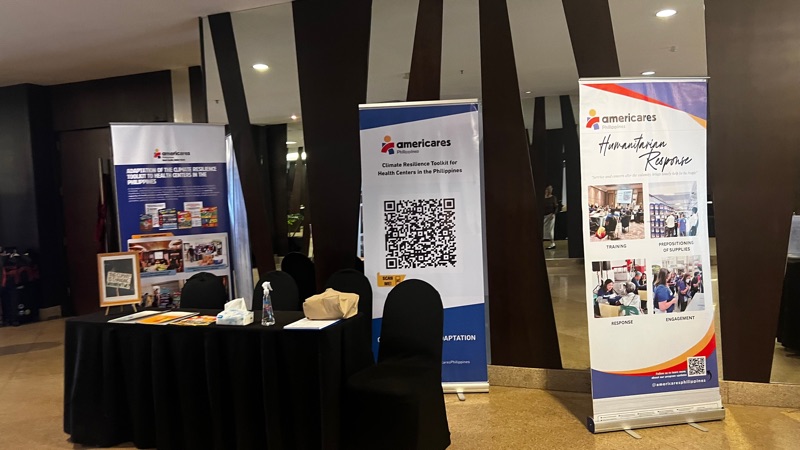
The COVID-19 pandemic aftermath triggered a nationwide surge in anxiety and depression due to isolation, job loss, and grief. Now, new cases are emerging from post-pandemic social issues — financial stress, family conflict, and disrupted routines.
Social media and digital pressure.
Problematic social media use is now flagged as a growing risk factor, especially for the youth. Experts point to the frequency of use, exposure to AI-generated content, and lack of face-to-face connection as contributors.
“There is a critical need to educate youth on responsible social media use, particularly regarding the distinction between factual information and content generated by Artificial Intelligence,” Samson emphasized.
Americares recommends regular offline time and stronger physical, face-to-face social connections; breaking the silence, as stigma drops and services move closer to communities, more Filipinos are seeking help. That alone drives numbers up — a sign the system is starting to work.
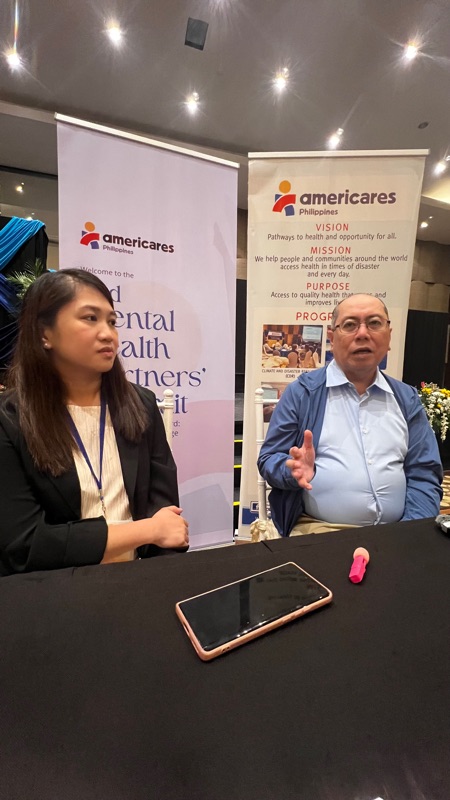
In Yolanda-affected areas of Bantayan Island and Camotes Islands, AmeriCares Philippines has spent the last several years shifting mental health services from distant city hospitals to local Rural Health Units and primary care facilities.
The result, according to AmeriCares MHPSS Project Coordinator Julie Ann Samson, patients no longer need to travel 2 to 3 hours to the city.
“Providing services at RHUs eliminates long travel times and high costs for families — transportation, food, accommodation,” she said. It also promotes the idea that “mental health services are for everyone, not just those with a diagnosed disorder.”
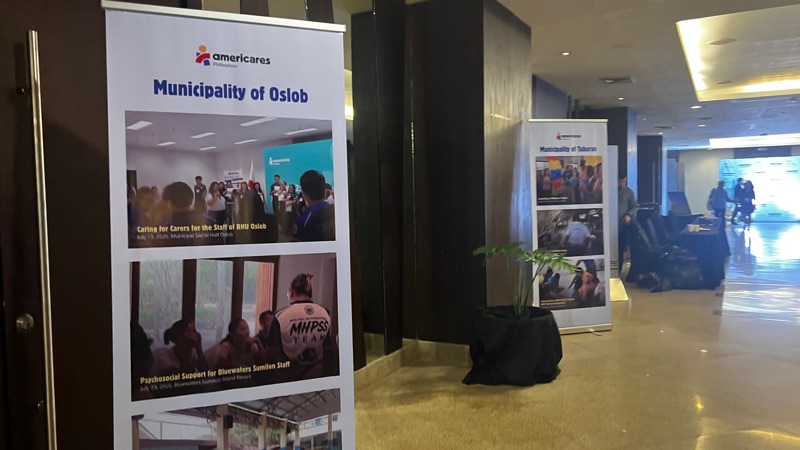
Americares sums up some best practices why its mental health project works. Capacity building of Municipal Health Officers and Barangay Health Workers are trained to screen, refer, and provide basic MHPSS.
AmeriCares supports and provides training logistics, computers and printers for wellness centers, art and play therapy materials, and free psychotropic medicines.
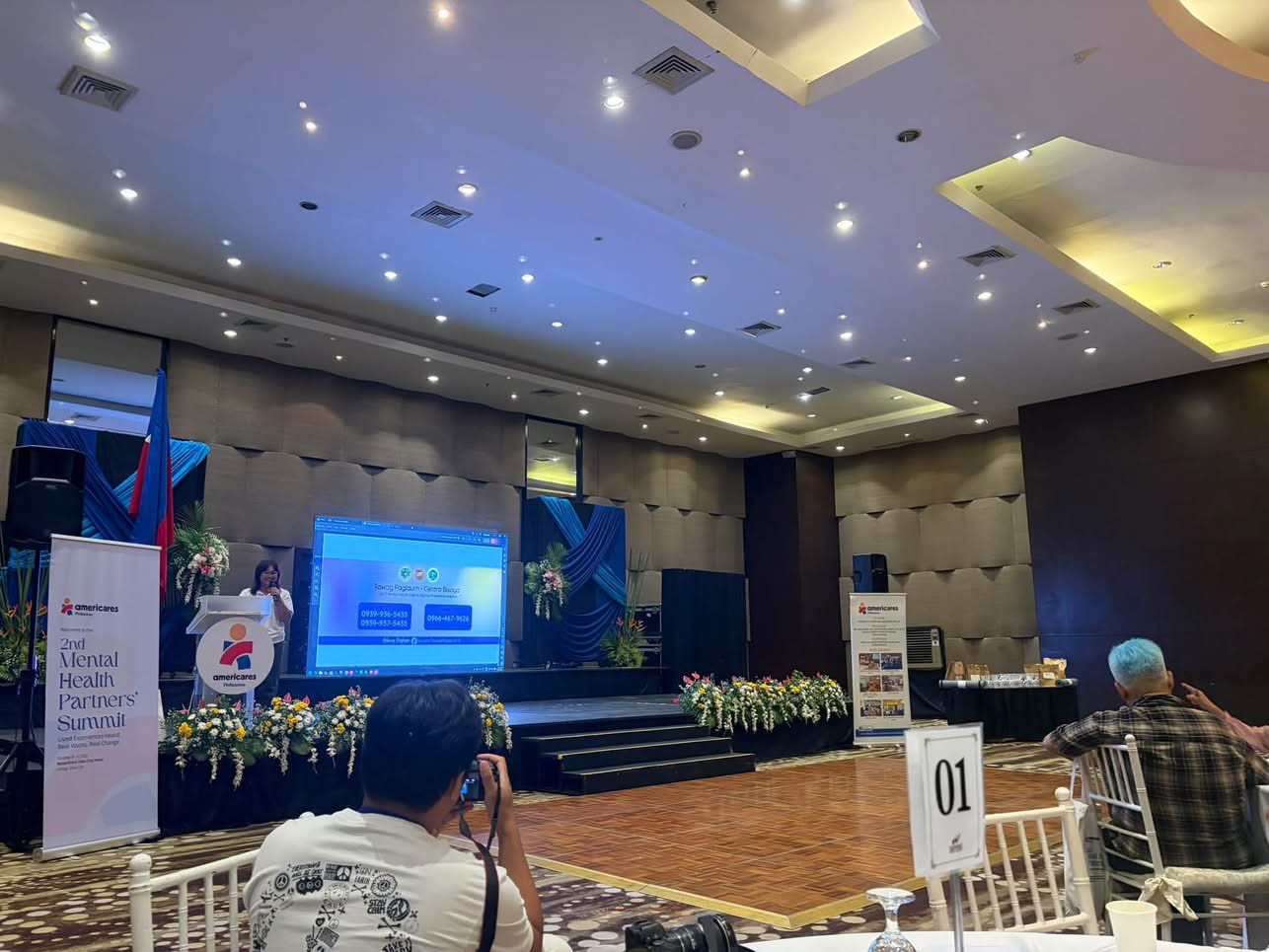
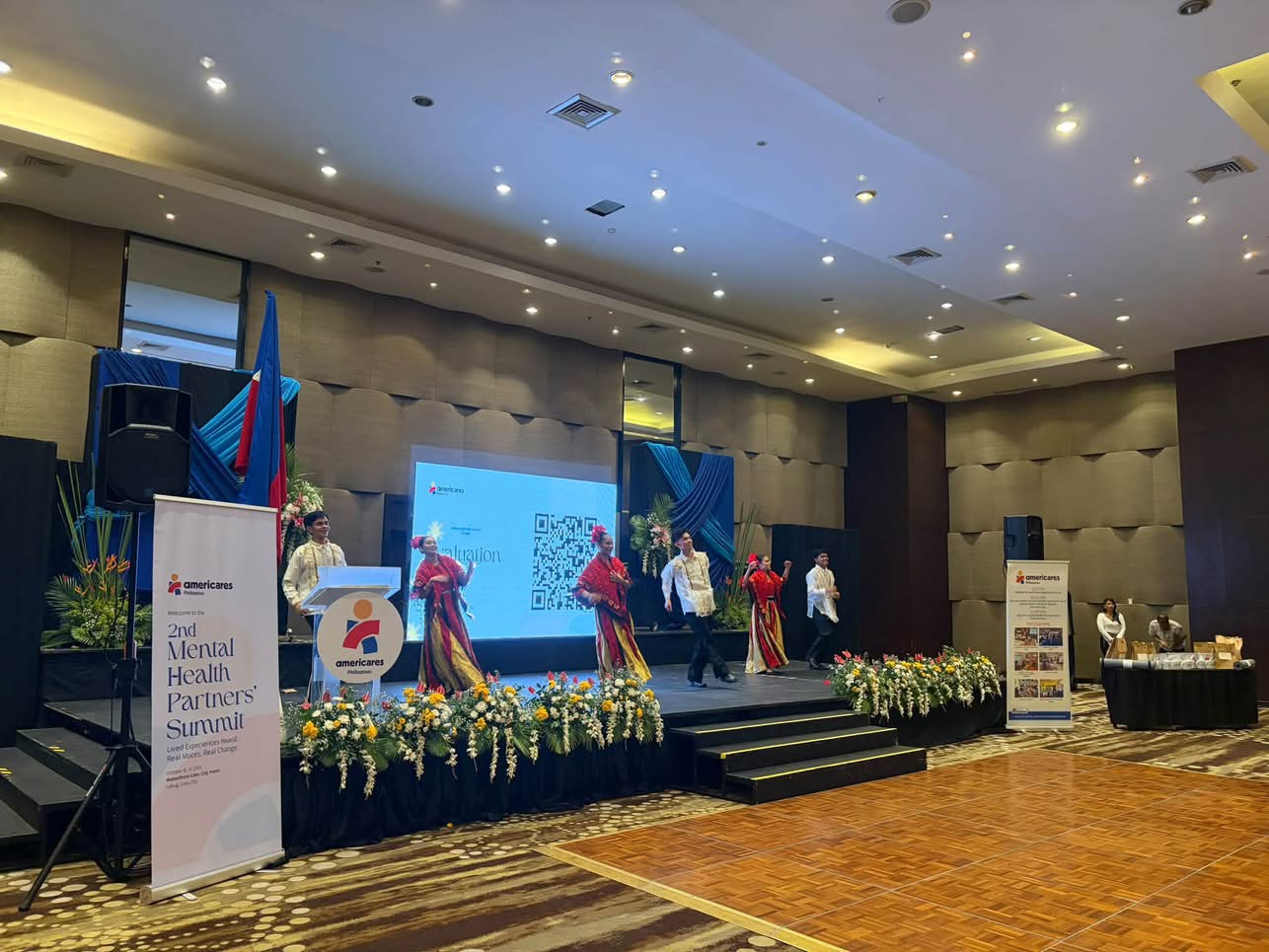
For sustainability, LGUs are encouraged to pass local mental health ordinances and dedicate budget lines so programs continue after the 3-year partnership ends.
The effort aligns with DOH’s 8-Point Action Agenda on Mental Health and Well-being. Currently, the program covers all four towns in Camotes Island, except Pilar.
The bigger picture
While exact national figures are still being consolidated, the Department of Health (DOH) has identified mental health as a priority under universal health care. The challenge now is data and access.
With social media use rising and post-pandemic stress lingering, experts warn that youth are the most vulnerable demographic. At the same time, they say early intervention at the community level, like what’s being piloted in Cebu, could be the key to reversing the trend.
“Data is useless if people don’t understand it. Trust is built when we make services accessible and speak in ways communities understand,” Pagaran said.
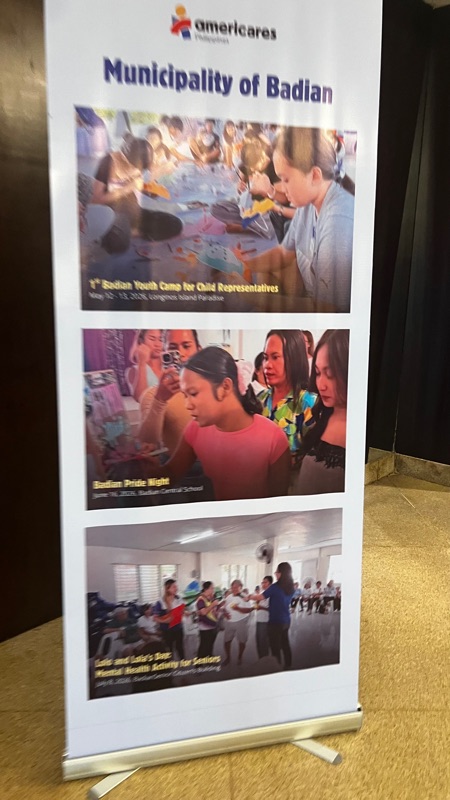
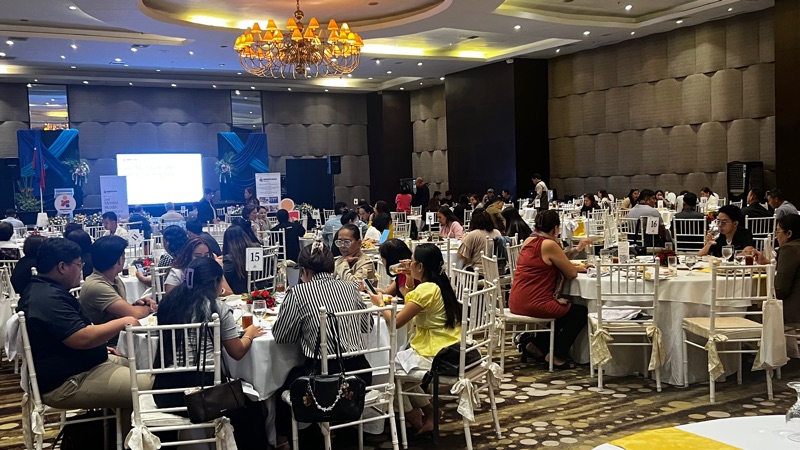
For immediate help, contact the DOH Hopeline at 0917-558-4673 or 0966-351-4518, or visit the nearest local Rural Health Unit (RHU). Mental health services are now part of the primary care benefit package. (Photos: MBCNewman)


