Chiz hails passage of bill giving barangay leaders longer term
CEBU CITY — The Senate on Monday approved on third and final reading a bill that will give barangay and Sangguniang Kabataan officials five years to govern and give voters a break from polls for the next two years.
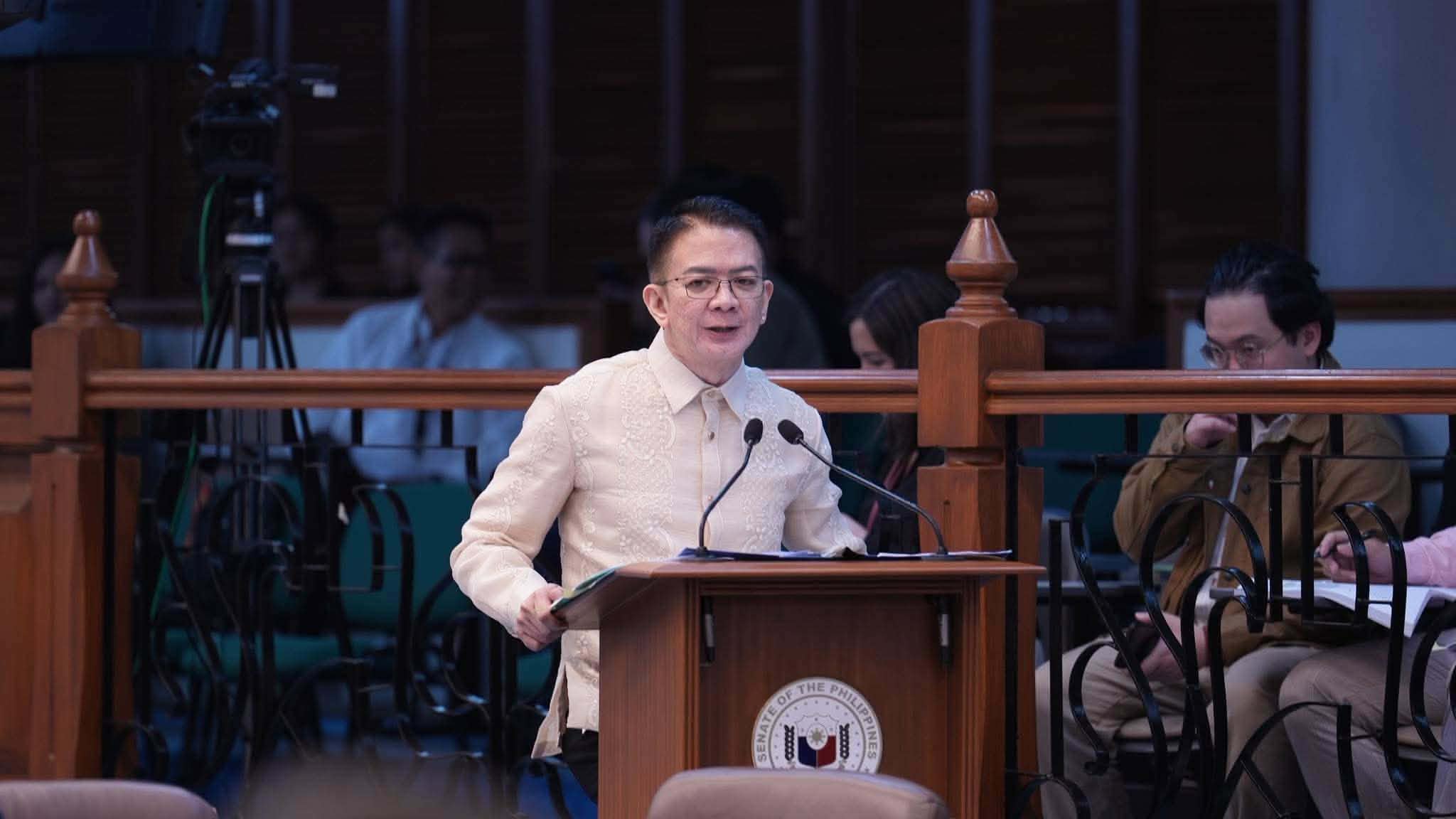
With 13 affirmative votes, 5 negative votes, and no abstention, the chamber passed Senate Bill No. 2387, which fixes the term of barangay and SK officials at five years and resets the next Barangay and SK Elections to November 2028.
The measure, principally authored and sponsored by Senate President Francis “Chiz” Escudero, also moves future BSKE to the second Monday of November to avoid conflict with the annual observance of All Saints’ Day.
“I am grateful to my colleagues for supporting this measure that will strengthen barangay governance and give our local leaders the time they need to deliver meaningful programs,” Escudero said after the vote.
Longer Term, Fewer Reelections
The bill introduces tighter term limits as a trade-off for the longer tenure.
Under the amendments adopted in plenary, barangay officials can serve a maximum of two consecutive five-year terms — down from the current three-term cap. SK officials, meanwhile, will be limited to just one term to encourage wider youth participation.
Escudero said the change addresses a long-standing complaint from village leaders: that three-year terms are too short to plan and finish projects.
“Barangays are planners, implementers, first responders, peacekeepers, and frontline service providers — all at a level where government interacts directly with households and families,” he said.
“Sa limang taong termino, mas may panahon ang ating mga opisyal na magpatupad ng mga programa at proyekto na tunay na makikinabang ang kanilang mga komunidad,” he
If signed into law, the measure will have immediate effects:
No BSKE in November 2026. The next elections will be held in November 2028. Every 5 years after. Subsequent BSKE will be held every five years on the second Monday of November.
Term limits kick in. Incumbent barangay captains and councilors who have already served two consecutive terms will be ineligible to run again. SK officials can only serve once.
Proponents argued that longer terms will reduce election fatigue, cut campaign costs, and allow local governments to pursue multi-year programs in health, peace and order, and disaster response without interruption.
Critics during the debates, however, warned that longer terms with fewer checks could weaken accountability at the grassroots level. That concern led to the compromise of reducing, not extending, the number of allowable terms.
The bill will now have to be reconciled with a counterpart measure in the House of Representatives before it can be sent to Malacañang for the President’s signature.
Escudero said the Senate version “strikes a balance between continuity and democratic accountability” by giving officials enough time to deliver while still ensuring leadership turnover.
For the country’s more than 42,000 barangays, the message from the Senate is clear—fewer elections, longer to govern, but also, fewer chances to stay in power.


